Mining is crucial to the global economy. It produces materials used in energy, technology, and construction. However, mining operations face numerous problems that reduce productivity and threaten worker safety. Rising costs and their environmental impacts are two of these problems. If not handled properly, they could slow down production and lead to financial difficulties. Every problem, on the other hand, is also an opportunity.
Mining companies can strengthen and change by making strategic changes. Companies need more than just new technology—they also require smarter planning to address these challenges. This article discusses three primary mining problems, along with six practical solutions. The goal is to help mining companies work more safely, efficiently, and productively.
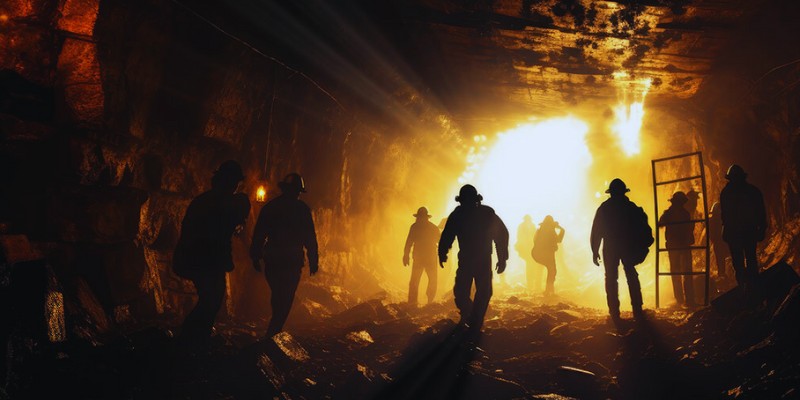
Here are three major challenges faced by miners today that affect productivity, safety, and long-term sustainability in operations.
The cost of mining is continually increasing. Taxes, workers, tools, and gas all cost a lot of money. The deeper miners go, the more it costs to get resources. Costs go up when ore grades go down, which means more work for less yield. Unexpected repairs and machine failures can prolong the process and increase costs. Inflation makes it more challenging for companies to adhere to their budgets. Many mining companies believe that controlling costs is just as important as discovering new resources.
People and governments are calling for mining to be conducted in a more environmentally friendly manner. There are strict rules in place to limit the amount of carbon released into the air, the amount of water used, and the amount of land that is damaged. If miners don’t follow them, they could face fines or be forced to quit their jobs. Also, there is more pressure from the public. People want to know that mining won’t hurt their land or water. Companies that follow environmental, social, and governance (ESG) rules are more likely to attract investors. Many old mining methods don’t meet today’s standards for sustainability. This challenge may seem overwhelming at first.
It’s becoming increasingly difficult to find skilled personnel. Many experienced miners are retiring. New workers are less inclined to undertake strenuous fieldwork as frequently, especially in remote areas that are difficult to access. This results in staffing gaps, inadequate training, and reduced productivity. Mining is also a dangerous job. Accidents, broken equipment, and health problems can all be very bad. A single safety incident can disrupt operations and ruin a company’s reputation. It’s important to keep workers safe and motivated. Businesses need to find, train, and keep the proper people.
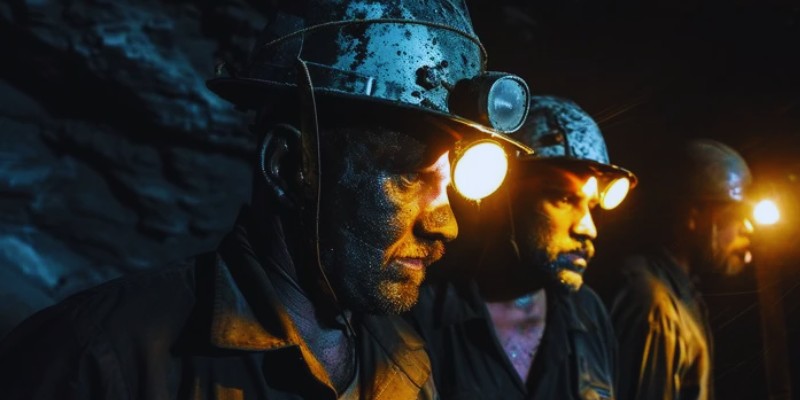
Here are six practical solutions that help mining companies turn their biggest challenges into opportunities for growth and success.
Automated methods can decrease expenses and enhance efficiency. Machines can now dig, move, and process materials with minimal human assistance. These methods are quicker and less prone to mistakes. Smart sensors monitor equipment health and alert operators before failures occur. It reduces the cost of repairs and the time it takes to fix things. Drones can make the task safer by mapping mining locations and identifying potential hazards. AI-based software can assist with organizing resources, creating schedules, and monitoring the environment.
Using clean energy can help you save money on your energy bills in the long run. Solar, wind, and hybrid systems use less fuel and produce less pollution. Some mining trucks now use hydrogen or batteries to power them. Local renewable sources are particularly effective in areas with abundant sunlight or wind. These systems are getting more inexpensive and easier to deploy. Using cleaner energy demonstrates your commitment to environmental sustainability.
Following the rules is not enough for a good environmental, social, and governance (ESG) plan. It helps businesses become leaders in environmentally friendly mining. It involves using less water, preserving biodiversity, and collaborating with local communities to achieve these goals. Miners should hold regular discussions with community leaders to foster open communication and mutual understanding. Listening to local concerns can prevent delays and build stronger community relations. It’s also important to report clearly. Businesses need to keep track of their impact and inform the public about their performance.
Training programs can help address the talent shortfall. Workers need to learn how to utilize new tools, implement safety measures, and operate digital systems. Employees stay engaged and loyal when they are offered opportunities for professional growth. Mental health and well-being support should also be part of the training. Mining is hard labor, and workers must take care of themselves and find a balance.
Mining businesses don’t have to accomplish everything on their own. Working with tech startups can help you generate new ideas more quickly. These firms contribute novel ideas, notably in data analytics, robotics, and environmental monitoring. Testing and training can also be conducted in universities and research centres—public-private collaborations lower the risk and split the costs. Miners can try new things when they work with specialists. It helps them stay competitive in a rapidly changing world.
Making long-term plans helps lower hazards. Mining sites can stay open for decades. Businesses require plans that can be adjusted to accommodate changing circumstances. Scenario-based planning enables companies to prepare for price shifts, supply chain disruptions, or policy changes. Digital twins, which are virtual replicas of mining sites, enable the testing of different strategies before they are implemented.
Mining firms face numerous challenges, including rising costs and increasingly stringent safety and regulatory requirements. However, every one of these issues presents an opportunity for progress. Miners can thrive if they utilise smart technology, plan effectively, and prioritize people and the environment. These six solutions turn challenges into opportunities for innovation and growth. Mining companies can remain productive, protect the environment, and cultivate a competent and safe workforce by adapting quickly and making informed investments.

AI changes the workplace and represents unique possibilities and problems. Find out how it affects ethics and employment

How next-generation technology is redefining NFL stadiums with AI-powered systems that improve crowd flow, enhance fan experience, and boost efficiency behind the scenes

How does Qualcomm's latest AI startup acquisition reshape its IoT strategy? Here's what this move means for edge intelligence and smart device performance

Explore the role of probability in AI and how it enables intelligent decision-making in uncertain environments. Learn how probabilistic models drive core AI functions

Elon Musk’s xAI unveils Grok 3, a smarter and more candid AI chatbot, and announces plans for a massive South Korean data center to power future innovations in artificial intelligence

Know how to produce synthetic data for deep learning, conserve resources, and improve model accuracy by applying many methods

How leveraging AI into your business can help save time, reduce repetitive tasks, and boost productivity with simple, smart strategies
Learn what a pictogram graph is, how it's used, and why it's great for data visualization. Explore tips, examples, and benefits.
How AWS Braket makes quantum computing accessible through the cloud. This detailed guide explains how the platform works, its benefits, and how it helps users experiment with real quantum hardware and simulators

The alignment problem in AI highlights the challenges of ensuring AI follows human values. Learn why it matters and how experts are working to solve it

How the AI Hotel Planned for Las Vegas at CES 2025 is set to transform travel. Explore how artificial intelligence in hospitality creates seamless, personalized stays for modern visitors

Know the pros and cons of using JavaScript for machine learning, including key tools, benefits, and when it can work best